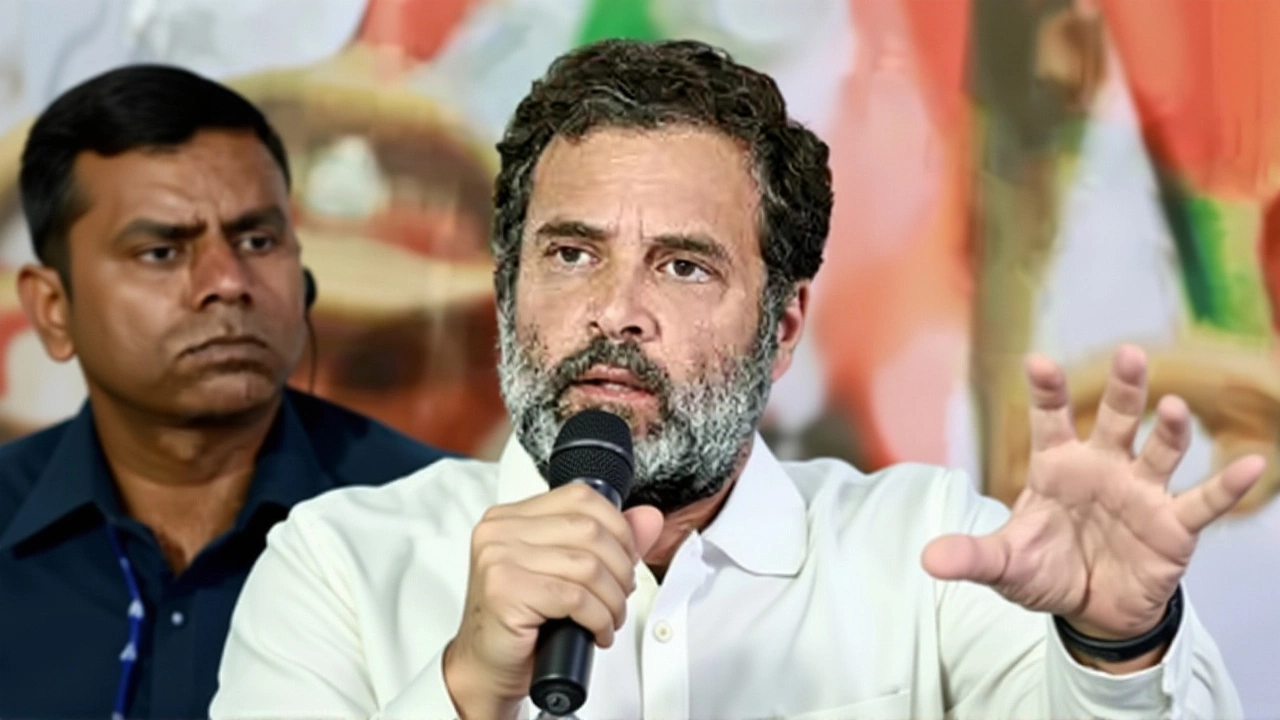
Political tensions boiled over on the streets of Rajasthan this weekend. Rahul Gandhi, Member of Parliament from Indian National Congress, found himself at the center of a fiery backlash after making remarks about top government leaders that the opposition party deemed highly disrespectful.
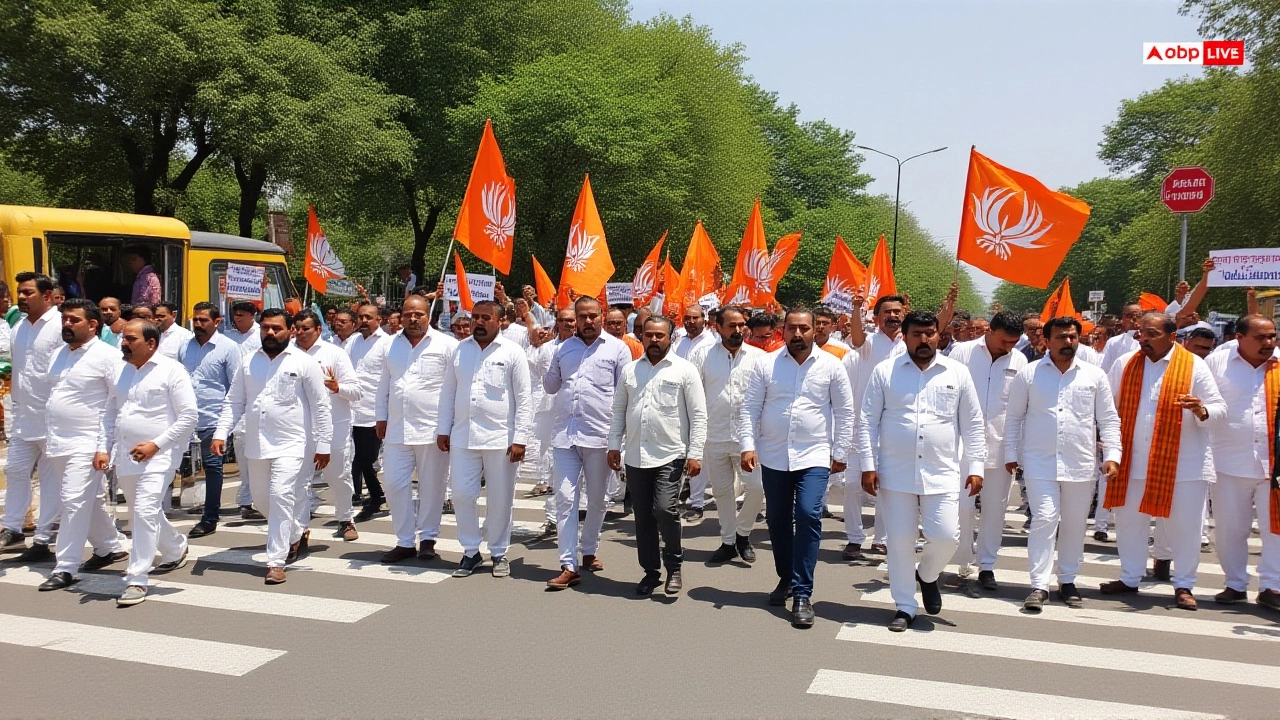
The reaction was swift and visible. On Saturday, May 23, workers from the Bharatiya Janata Party (BJP) organized a protest in Jodhpur. They didn't just shout slogans; they burned an effigy of Gandhi, signaling deep anger among local party members.
Here's the thing: while the exact wording of Gandhi's comments remains a point of contention, the outrage stems from his alleged "indecent" or "disrespectful" remarks targeting both Narendra Modi, Prime Minister of India, and Amit Shah, Union Home Minister. The incident highlights how quickly political rhetoric can escalate into street-level confrontations in Indian politics.
The Spark Behind the Protest
To understand why Jodhpur erupted, you have to look at the trigger. According to reports from ABP Live Hindi, Gandhi made statements during a recent address that BJP cadres interpreted as personal attacks on the Prime Minister and the Home Minister. The media outlets described these comments as "allegedly indecent," a phrase that carries significant weight in the current political climate.
It wasn't just a passing comment. For many BJP supporters, any perceived slight against the leadership is treated seriously. The local unit in Jodhpur decided to act immediately. By choosing to burn an effigy—a common but provocative form of protest in India—they sent a clear message: this wasn't going to be ignored.
The timing is also notable. With elections often looming in the background, every word spoken by national leaders like Gandhi is scrutinized. In this case, the interpretation of his words led to what sources described as "heavy outrage" among party workers. It’s a reminder that in Indian politics, intent matters less than perception.
Jodhpur’s Political Climate
Why Jodhpur? The city in western Rajasthan has been a battleground for years. Both the BJP and Congress vie fiercely for influence here. When a national figure like Gandhi makes controversial remarks, local parties use it to mobilize their base. This isn’t just about anger; it’s about visibility and strength.
The protest took place on a Saturday, ensuring maximum public attention. While specific details about the location—whether it was near a government building or a busy intersection—are sparse, the impact was felt across social media platforms. Videos of the effigy burning circulated widely, amplifying the dispute beyond the city limits.
Interestingly, Gandhi represents Wayanad in Kerala, thousands of miles away from Rajasthan. Yet, his words resonated deeply in Jodhpur. This shows how interconnected Indian politics is. A remark made in one corner of the country can ignite protests in another, reflecting the nationwide reach of digital news cycles.
Reactions and Broader Implications
The immediate response from the BJP was unified. Local leaders condemned Gandhi’s remarks, calling them unacceptable. There were no calls for restraint; instead, the focus was on holding the opposition accountable. This mirrors a broader trend where political discourse often becomes personalized rather than policy-focused.
On the other side, the Congress party has not yet issued a formal rebuttal regarding the specific content of the remarks. However, past incidents suggest they may defend Gandhi’s right to criticize the government. The lack of immediate clarification leaves room for speculation about what exactly was said.
Experts note that such escalations can polarize voters further. When protests turn symbolic, like effigy burning, they deepen emotional divides. For citizens caught in the middle, it reinforces the feeling that politics is more about power plays than governance.
What Happens Next?
So, where do we go from here? The immediate protest has ended, but the political fallout continues. We might see similar reactions in other cities if the BJP decides to coordinate a larger campaign. Alternatively, the issue could fade if neither side pursues legal action.
Watch for official statements from both parties in the coming days. If the BJP files a complaint or demands an apology, the stakes will rise. If Congress doubles down, expect more counter-protests. For now, Jodhpur serves as a flashpoint in an ongoing battle for narrative control.
Background: A History of Heated Rhetoric
This isn’t the first time Gandhi and Modi have clashed verbally. Their rivalry defines much of contemporary Indian politics. From parliamentary debates to social media spats, their exchanges are frequent and intense. Each side accuses the other of undermining democratic values.
In previous years, similar incidents have led to police cases and court battles. The difference this time is the speed of the reaction. Thanks to social media, news travels instantly, forcing parties to respond within hours rather than days. This accelerates the cycle of offense and retaliation.
Understanding this context helps explain the intensity in Jodhpur. It’s not just about one comment; it’s part of a long-standing struggle for dominance between two major political forces. As India approaches future electoral cycles, these skirmishes will likely become even more pronounced.
Frequently Asked Questions
What exactly did Rahul Gandhi say to trigger the protest?
The specific verbatim quote hasn't been widely released, but media reports describe his remarks as "allegedly indecent" or disrespectful towards Prime Minister Narendra Modi and Union Home Minister Amit Shah. The BJP interpreted these comments as a direct attack on their leadership, prompting the immediate backlash in Jodhpur.
Why did the BJP choose to burn an effigy?
Effigy burning is a traditional form of protest in India used to express strong disapproval or anger towards a public figure. By burning Rahul Gandhi's effigy, the BJP workers in Jodhpur aimed to symbolically reject his comments and demonstrate their solidarity with the party leadership. It serves as a visual statement of dissent.
When and where did this protest take place?
The protest occurred on Saturday, May 23, in the city of Jodhpur, located in the state of Rajasthan. The event was organized by local BJP workers who were outraged by Gandhi's recent statements. The timing ensured high visibility through social media and local news coverage.
How does this affect the relationship between Congress and BJP?
Incidents like this deepen the polarization between the two major parties. They reinforce existing narratives of conflict and reduce space for constructive dialogue. For voters, it highlights the aggressive nature of current political campaigns, potentially influencing sentiment ahead of future elections.
Will there be legal consequences for Rahul Gandhi?
Currently, there is no information suggesting that legal action has been initiated. Whether the BJP files a defamation case or a criminal complaint depends on their strategic assessment. Historically, such verbal disputes rarely lead to successful prosecutions unless the remarks are explicitly threatening or hate speech.